Can eating right prevent cancer?
The odds a person will ever be diagnosed with cancer are 1 in 2.44, and the odds a person will die of it are 1 in 4.7. Although most of us think we eat pretty well—the odds an adult considers him- or herself a healthy eater are 1 in 1.56 (64%)—cancer remains the second most common cause of death in America, after heart disease.
Complicating the food-cancer connection is the fact that cancer is a whole constellation of diseases, each with its own risk factors; at the same time, the definition of “eating right” seems to change every time we look at the health news. “Healthy eating” now includes, in addition to the old standbys like fruits and vegetables, some items we used to think of as mere indulgences.
HEROES AND POTENTIAL HEROES
Fruits and vegetables: the American Cancer Society sums it up this way: Vegetables and fruits, particularly if they have lot of color, are loaded with antioxidants, vitamins, minerals, etc., that collectively reduce the risk of cancer, including lung cancer and cancers of the digestive tract (from mouth to colon). However, some recent research has failed to find major reductions in cancer risk associated with eating the recommended five servings a day. One study that followed nearly half a million people found only a “very small inverse association.” Researchers have suggested that studies of specific plant foods might be more fruitful. For example:
Citrus. Consuming citrus fruits was associated with lower cancer rates in an analysis of 48 international studies. Oranges, the researchers said, have very high antioxidant levels, with flavonoids that have been shown to have anti-inflammatory and anti-tumor properties.
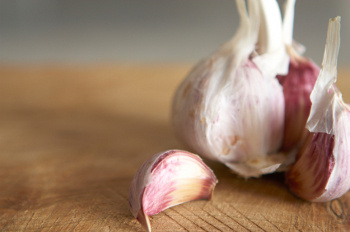
Garlic. Some studies have indicated consuming garlic helps protect against various cancers. An analysis in the Journal of Nutrition of seven population studies, for example, showed that garlic consumption reduced the risk of colorectal and stomach cancers. (The odds a person will ever be diagnosed with colorectal cancer are 1 in 18.45.)
Tomatoes and Broccoli. Evidence that the lycopene found in tomatoes prevents prostate cancer is inconclusive. One study found that eating tomatoes in combination with broccoli shrank prostate tumors in rats by 52%. Evidence that broccoli and other cruciferous vegetables have particular cancer-prevention effects remains merely suggestive, but one compound found in broccoli, cabbage, and Brussels sprouts shows promise in stopping the growth of prostate and breast cancer cells.
Red Wine. Drinking moderate amounts of red wine has been shown to lower prostate cancer risk. It contains resveratrol (an antioxidant) and flavonoids (polyphenols also found in chocolate), which appear to be healthful agents. (The odds a male will ever be diagnosed with prostate cancer are 1 in 6.29, and the odds he’ll die of it are 1 in 35.71.) Another study showed a 60% drop in lung cancer risk among male smokers who had one or two glasses of red wine per day. ( Lung cancer kills 1 in 16.75 Americans, more than any other type of cancer.) On the other hand, drinking alcoholic beverages of any kind has been linked with a higher risk of breast cancer in women.
Chocolate. The antioxidants in chocolate may help prevent cancer by fighting cell damage that leads to tumors.
VILLAINS AND POTENTIAL VILLAINS
Some foods may carry increased cancer risk. A new Korean study found a small increase in stomach cancer associated with a saltier diet. (In the US, the odds a person will ever be diagnosed with stomach cancer are 1 in 111.1.) A new study on rats suggests eating a fatty diet during pregnancy carries breast cancer risk for the children—and even grandchildren. A byproduct of cooking (especially burning) carbohydrate-rich foods has been tied to increased cancer risk in postmenopausal women. And soy contains phytoestrogens that may be linked to breast cancer, again in postmenopausal women.
FOOD VS. INGREDIENTS
So there’s no yes or no answer to the question of whether “eating right” prevents cancer. Clearly, some ingredients in some foods are linked to higher or lower risks for some cancers and other health problems. Maybe the best practice of all is just to follow food author Michael Pollan’s advice: If your grandmother wouldn’t recognize it, or you can’t pronounce the ingredients, don’t eat it.